
Using the London Underground: A Traveler’s Guide to the Tube and Its History
A practical guide to riding the London Underground, including contactless payments, Tube etiquette, zones, fares, and the history of the world’s first underground railway.
For many first-time visitors, the London Underground looks more complicated than it really is. The map is a tangle of colored lines, station names seem to appear in every direction, and everyone around you looks as though they already know exactly where they are going. Give it a day, though, and the Tube quickly becomes one of the easiest ways to move around London.
It is also much more than transportation. Every ride takes you through part of the story of modern London. The Underground began in the age of steam, grew beneath streets designed for horses and carriages, helped reshape the city, sheltered Londoners during wartime, and eventually produced one of the most recognizable maps and logos in the world.
London’s Railway Beneath the Streets
The story begins on January 10, 1863, when the Metropolitan Railway opened between Paddington and Farringdon Street. It was the world’s first underground railway. Much of the route was built by the “cut and cover” method: streets were dug open, railway tunnels were constructed below, and the roadway was rebuilt above them.
The first trains were steam-powered. That may sound almost impossible to anyone who has stood on a modern Tube platform, but steam locomotives once carried passengers through underground tunnels beneath Victorian London. The new railway was an immediate success and showed that a rapidly growing city could move enormous numbers of people below streets already clogged with traffic.
London’s underground network expanded quickly. In 1890, the City & South London Railway opened using electric traction and deep-level tunnels. These smaller, round tunnels helped give rise to the nickname “Tube.” Over time, separate railways were joined, extended, electrified, and increasingly presented as one network.
How the Tube Became a London Icon
Part of what makes the Underground so memorable is that London did not merely build a railway system. It created a visual language for moving through the city.
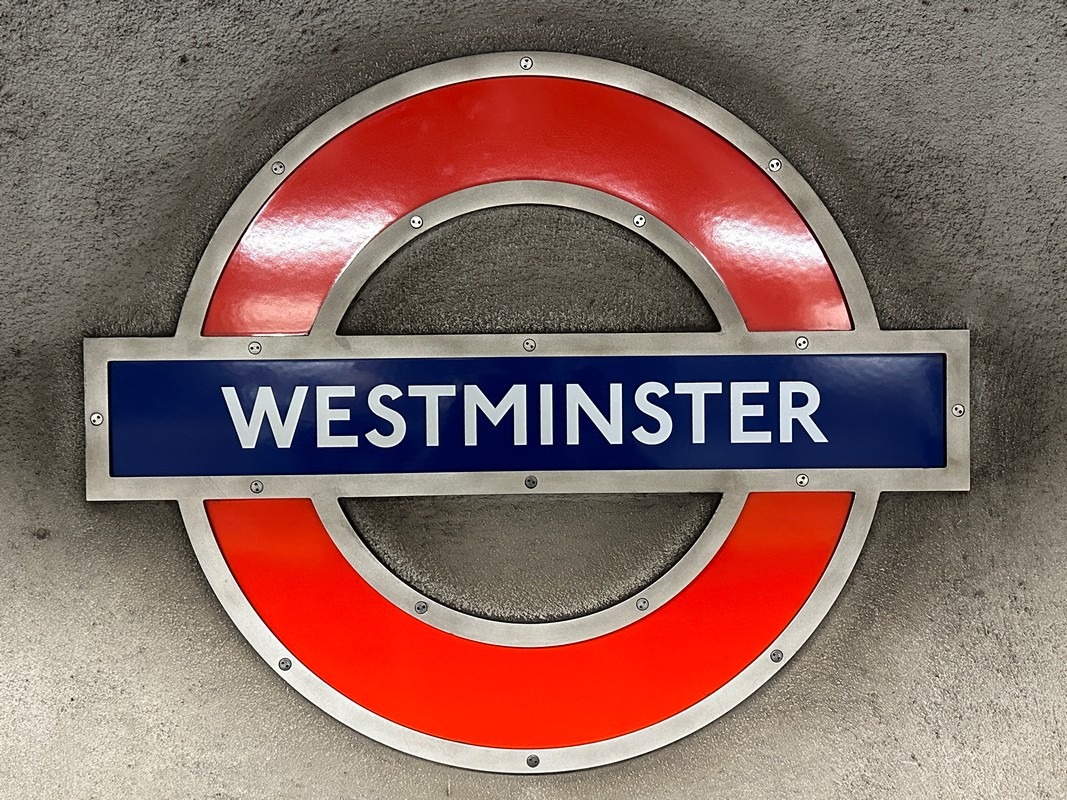
The familiar red circle and blue bar began appearing on Underground platforms in 1908. What we now call the roundel was intended to make station names stand out clearly amid the advertising that covered many platforms. Edward Johnston later refined the design, along with the distinctive lettering associated with London transport.
Then came the map. In 1931, Underground engineering draughtsman Harry Beck developed a radically simplified diagram that treated the railway more like an electrical circuit than a geographically accurate street map. Stations were spaced evenly, lines ran horizontally, vertically, or at 45-degree angles, and the complicated geography of London was stripped away. The design was issued publicly in 1933 and became the model for transit maps around the world.
That is worth remembering when you unfold a Tube map today. You are not really looking at London from above. You are looking at a diagram designed to answer a much more useful question: How do I get from this station to that one?
Using the Tube Is Easier Than It Looks
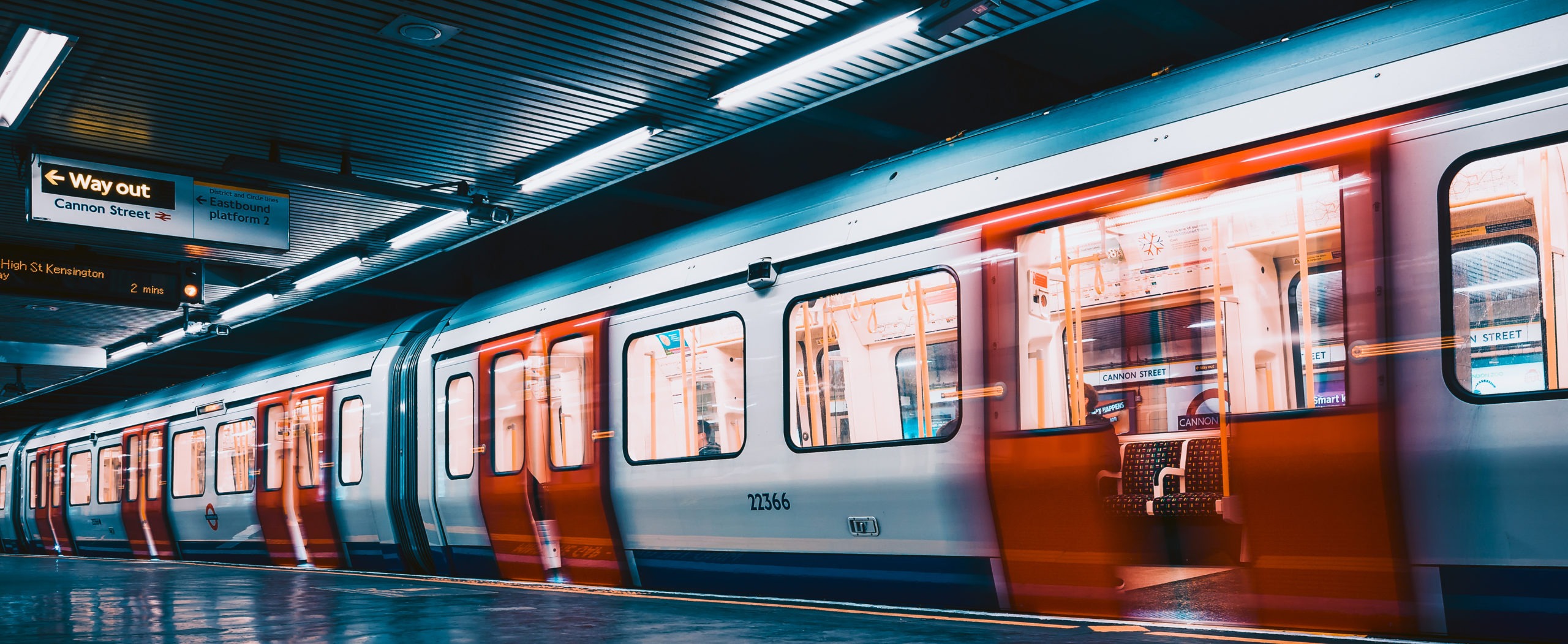
The simplest way to use the Underground is usually with a contactless credit or debit card, Apple Pay, Google Pay, or an Oyster card. At the beginning of your trip, touch your card or device on the yellow reader at the entrance gate. At the end, touch out with the same card or device.
That last detail matters. A physical credit card and the same card loaded into a phone are treated as different payment methods. If you touch in with the card and touch out with your phone, the system may see two incomplete journeys. Pick one payment method and use it consistently throughout the day.
Transport for London automatically applies daily fare capping when you use pay-as-you-go contactless or Oyster correctly. In practice, that means you can make several journeys without worrying that every additional short ride will keep increasing the cost indefinitely. Most major visitor attractions are concentrated in central London, particularly Zones 1 and 2, although airports and some outlying destinations extend farther.
Know the direction before you descend
Before heading down the escalator, identify the line you need and the direction of travel. Underground platforms are normally signed by the line name and destination direction, often using the final station or a major endpoint on that branch. The Tube map is excellent for understanding connections, while a phone map app is often easier for determining exactly which platform and train to use.
Do not panic if you get on the wrong train. London’s network is dense enough that the solution is usually simple: get off at the next station, cross to the correct platform, and continue. Getting mildly lost on the Tube is practically a London initiation ritual.
Touch In, Touch Out—and Watch for Pink Readers
On the Underground, Elizabeth line, DLR, and London Overground, you generally touch in at the beginning and touch out at the end. Missing either end can produce an incomplete journey and a higher fare.
You may also occasionally see pink card readers at interchange stations. These are not entrance or exit gates. They tell the fare system which route you took when changing trains, particularly when travelling around rather than through Zone 1. If your route calls for one, touch the same card or device on the pink reader as you change trains, then continue your journey normally.
“Mind the Gap” and Other Tube Etiquette
There are a few unwritten rules that make Underground travel much easier.
- Stand on the right on escalators. The left side is for people walking past.
- Let passengers off before boarding. Stand to the side of the doors rather than directly in front of them.
- Move down the platform. The area around entrances and stairways gets crowded while other parts of the platform may be almost empty.
- Keep bags out of the aisle when possible. Tube cars can become crowded quickly, particularly during commuter periods.
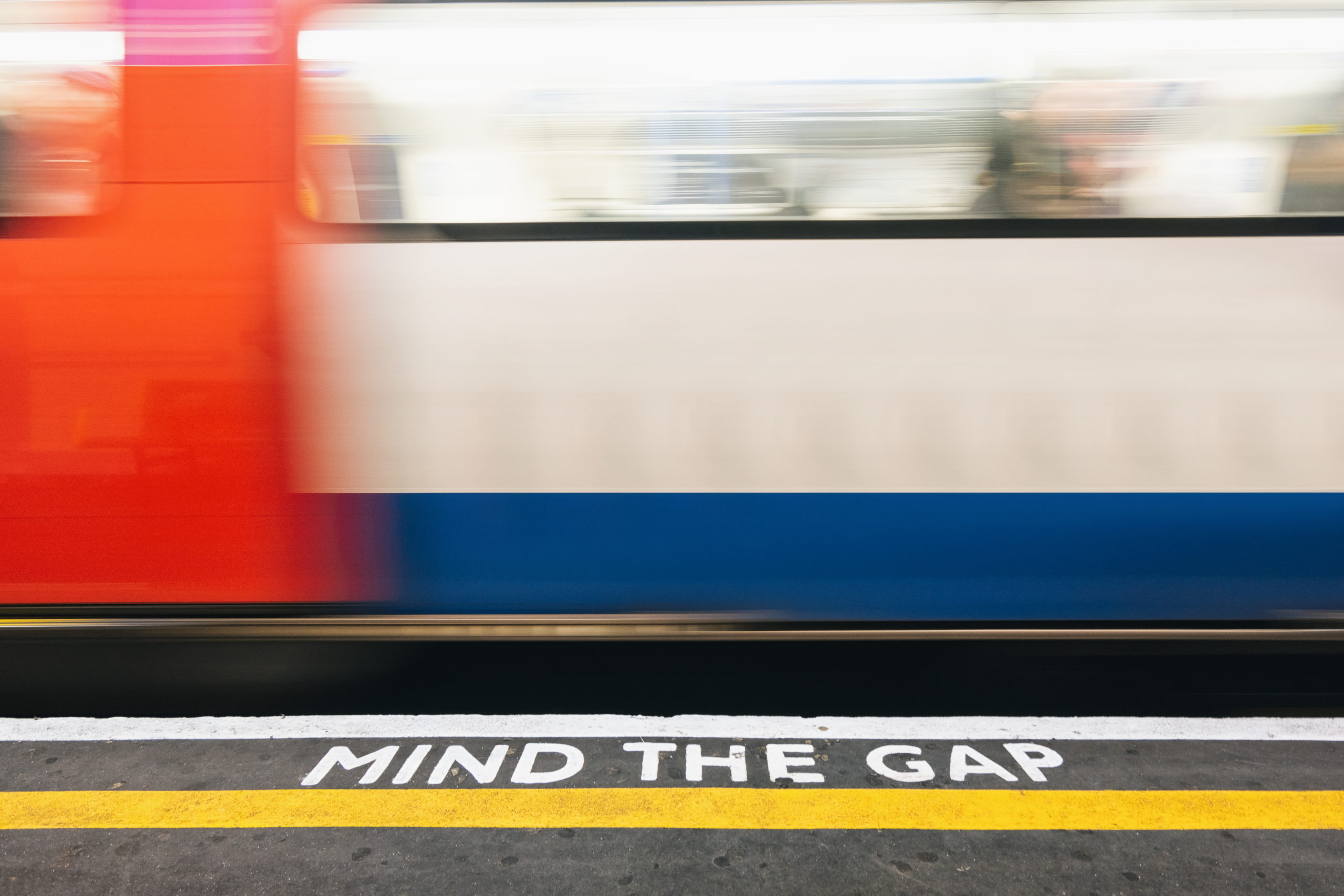
- Mind the gap. At some stations the space or height difference between train and platform is substantial enough to deserve the famous warning.
Rush hour can be intense, especially on weekdays. If your schedule allows it, travelling after the morning commute makes the system noticeably calmer. Peak pay-as-you-go fares generally apply on weekday mornings and during much of the late-afternoon commute, although the exact fare can depend on the direction and journey.
Late Nights, Closures, and Accessibility
The Underground does not operate all night on every line, but Night Tube service runs on selected lines on Friday and Saturday nights. Service patterns and engineering closures change, especially on weekends, so it is worth checking Transport for London before setting out early in the morning or late at night.
Accessibility also varies considerably by station. Some stations have step-free access from street to platform or train, while others involve long stairways, escalators, or passages. If stairs or long walking distances are a concern, check the specific stations in advance rather than assuming every Tube stop is equally accessible.
The Tube Is Part of the London Experience
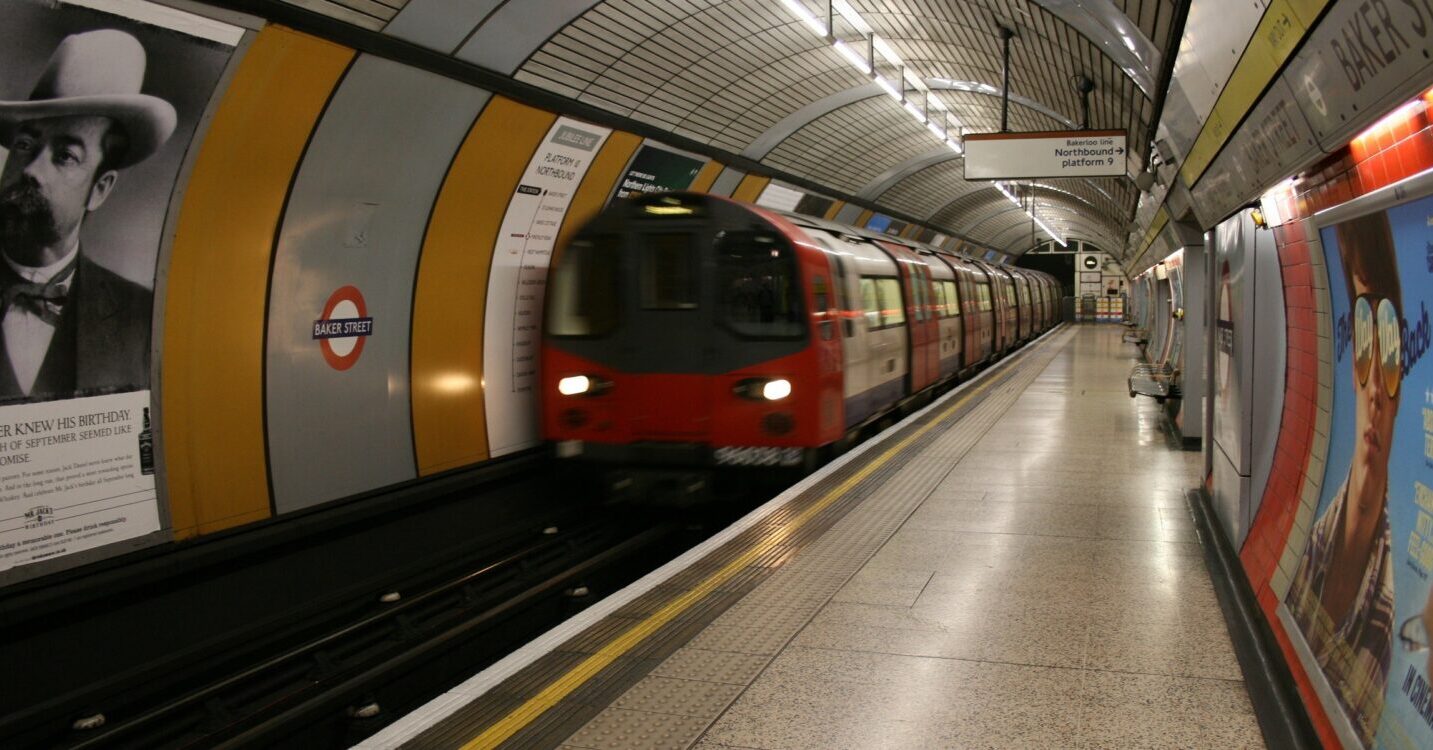
Visitors sometimes think of the Underground as something to endure between attractions. It is better understood as one of the attractions. Baker Street still connects you with the railway that began underground travel in 1863. The roundels, tiled passageways, escalators, station names, and Harry Beck-inspired map are all pieces of London’s story.
Once you understand the basic rhythm—find your line, check your direction, touch in, ride, change when necessary, and touch out—the Tube stops feeling intimidating. Before long, you may find yourself moving through London with the same confidence as the commuters who seemed so impossibly certain on your first day.
For more help preparing for London, see our London Christian Tour FAQ, browse our 7-day London Christian Tour itinerary, read our guide to money and currency in London, and explore our tips for eating in London.
For current fares, service changes, accessibility information, and planned closures, always check Transport for London before travelling.