

New Study Explores Why St Paul’s Cathedral Still Defines London’s Skyline
A landmark heritage study explores how St Paul’s Cathedral, its famous dome, and the views surrounding it continue to shape the identity of London.
SUBJECT: New heritage study of St Paul’s Cathedral’s setting
LOCATION: St Paul’s Cathedral, City of London
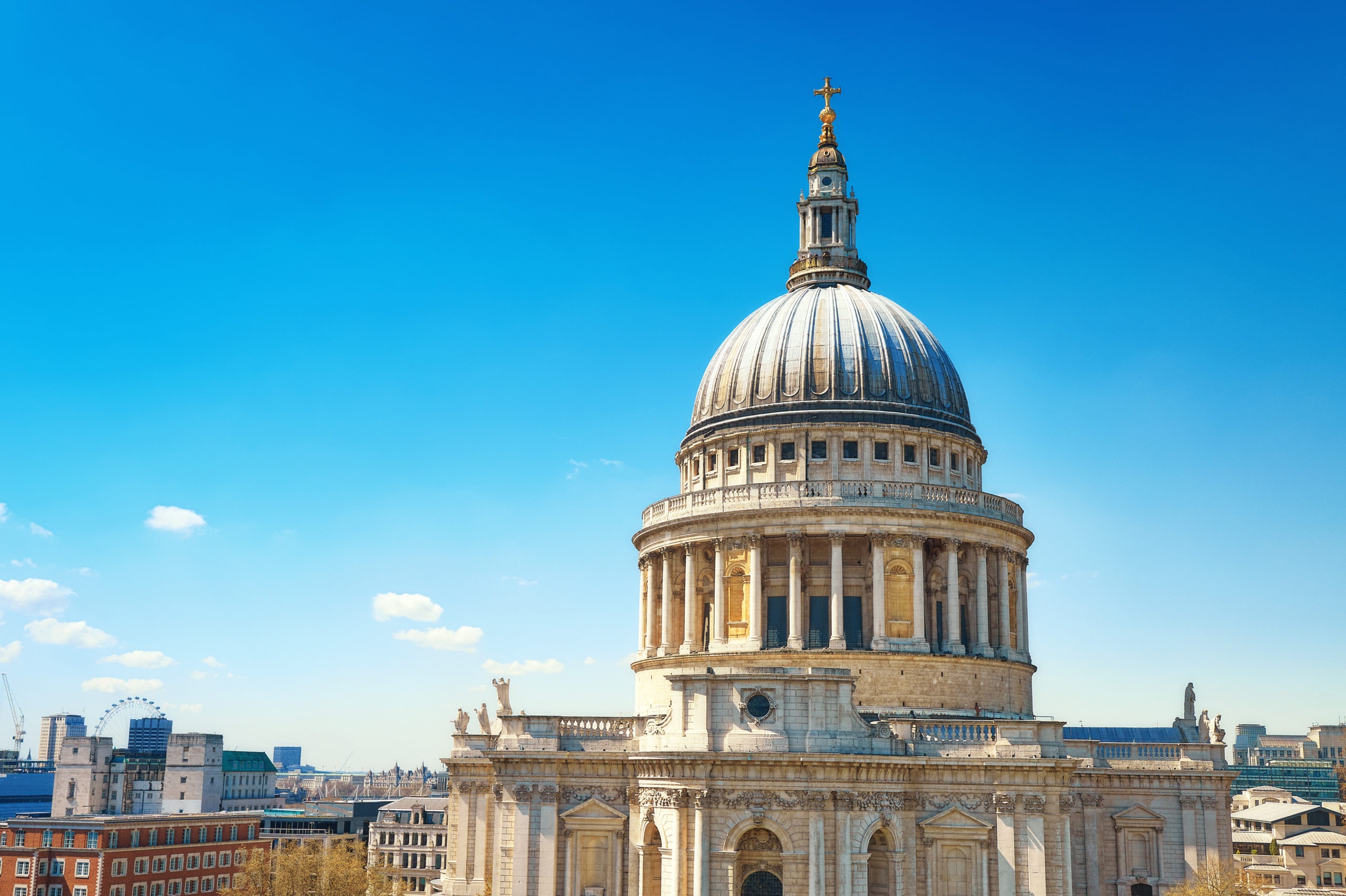
A newly published study is drawing attention to something Londoners and visitors have admired for more than three centuries: the commanding presence of St Paul’s Cathedral above the capital. Historic England and St Paul’s Cathedral, working with the City of London Corporation, have examined how the surrounding streets, open sky, river views and changing skyline contribute to the cathedral’s historic and spiritual significance.
Announced in October 2026, The Setting of St Paul’s Cathedral is intended to help planners and decision-makers understand what makes the building’s setting important. The study arrives as London continues to change around Christopher Wren’s celebrated dome, one of the city’s most recognizable landmarks.
More Than a Famous Dome

Although the present cathedral was largely constructed between 1676 and 1711, the location has been associated with Christian worship for approximately 1,400 years. An earlier cathedral stood here long before the Great Fire of London in 1666 destroyed the medieval building. Its replacement, designed by Sir Christopher Wren, would become one of the great achievements of English Baroque architecture.
For Christians, however, St Paul’s is more than a feat of engineering or a feature of London’s skyline. It remains a working cathedral, a place of worship and prayer, and a setting for important services in the life of the nation. The building’s prominent position has made it a visible reminder of that religious history in the heart of a modern city.
What the New Study Found
Historic England identifies four especially important elements of the cathedral’s surroundings. The first is its elevated position within the London basin, which helps the structure rise above nearby streets. The second is the open sky around the dome and towers, allowing their proportions and architectural details to be appreciated from a distance.
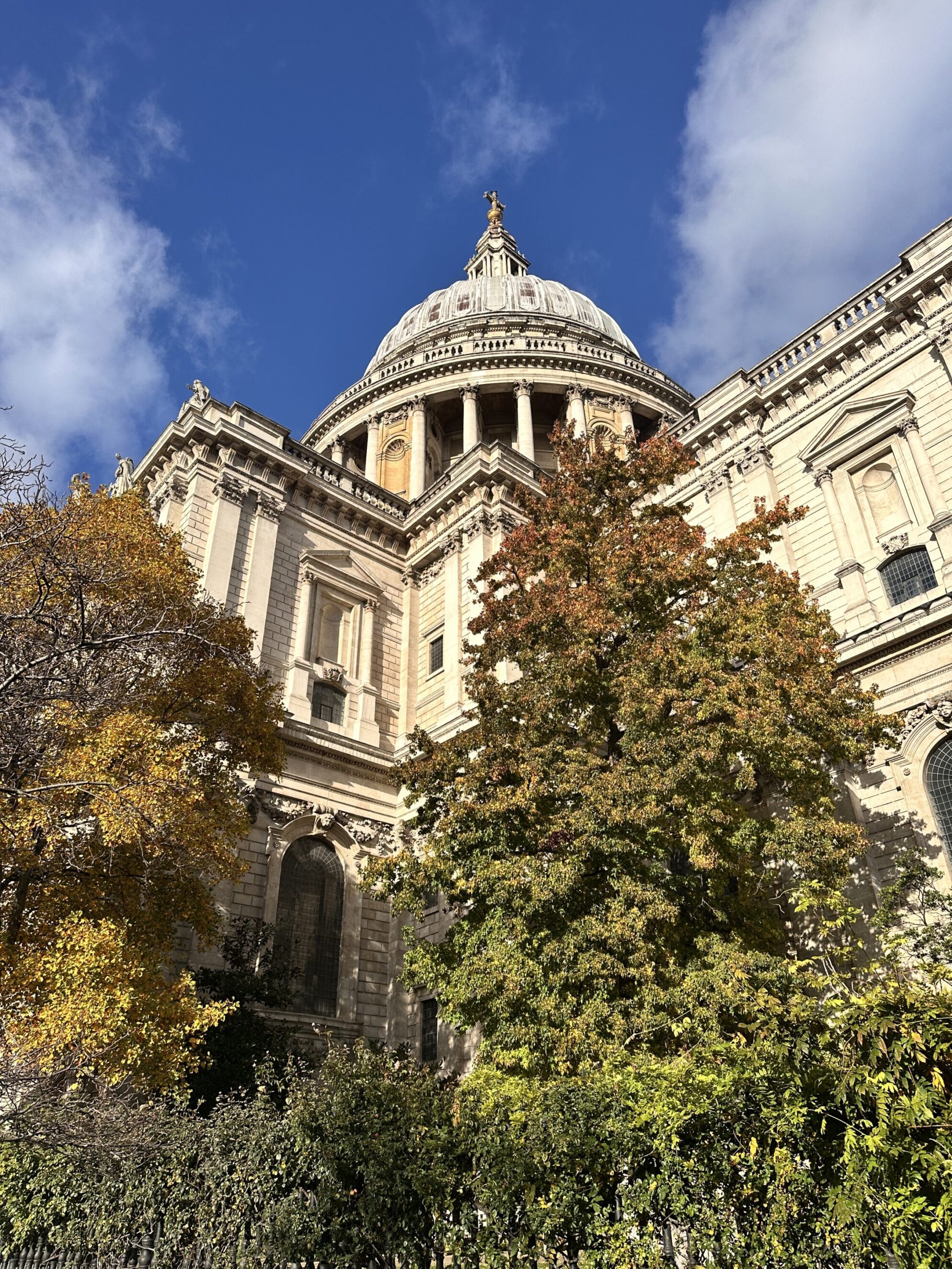
The third is the River Thames corridor, which creates some of London’s most memorable views toward St Paul’s. The fourth is the immediate setting of St Paul’s Churchyard, where approaching the great walls and western entrance reveals the sheer scale of Wren’s design. These features, taken together, explain why protecting a great historic church cannot be limited to protecting its stonework alone.
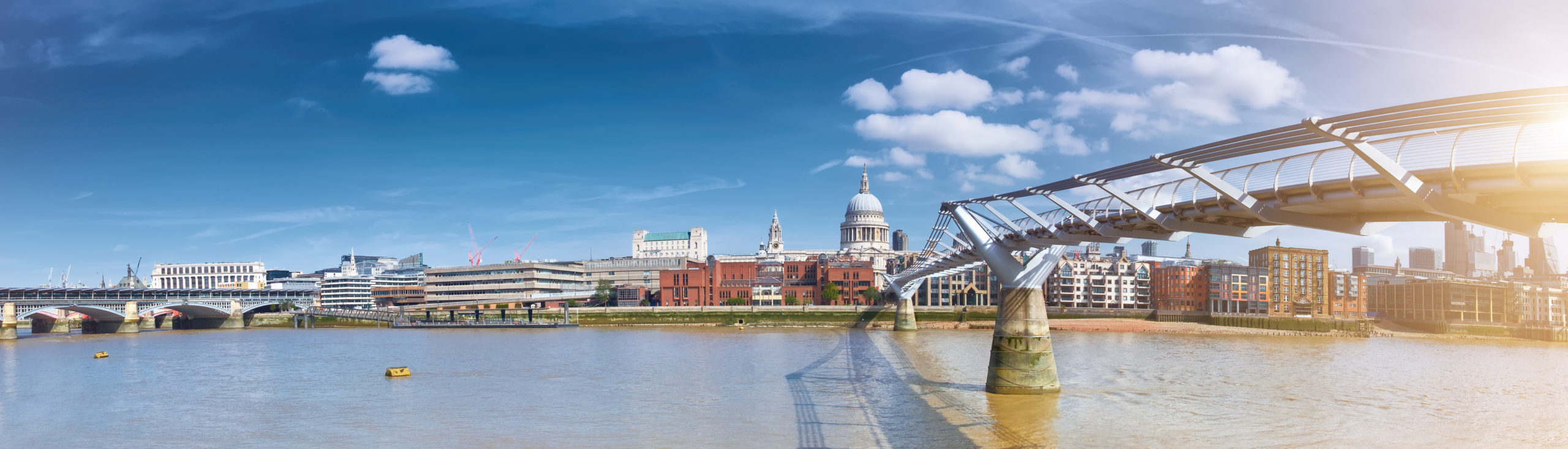
The researchers also examined how London’s skyline has evolved over the last several decades. Taller developments have changed the way the cathedral is experienced from some traditional viewpoints. Yet the study does not argue that every new building is unwelcome. It points to improvements such as Paternoster Square and the Millennium Bridge as examples of development that can enrich the experience of St Paul’s when carefully considered.
A Landmark of Christian History and London’s Resilience
For centuries, St Paul’s has witnessed both celebration and crisis. Wren’s cathedral was built after the Great Fire devastated the medieval City of London. During the Second World War, its survival amid the bombing of the capital became a powerful image of endurance. The church’s story therefore connects London’s Christian heritage with the wider history of the nation.
The new study gives additional depth to an experience familiar to visitors: approaching the cathedral along a street, crossing the Thames, or standing in its churchyard and looking upward. These are not merely convenient places to take photographs. They are ways of understanding why the building was positioned and designed as it was, and how its architecture communicates scale, dignity and permanence.
What This Means for Visitors to London
St Paul’s Cathedral is among the major landmarks connected with London Christian Tours, and its story rewards looking both inside the building and beyond its walls. Visitors can consider the centuries of Christian worship associated with the site, Wren’s extraordinary rebuilding project, and the evolving city that continues to frame the cathedral today.
The report itself is not a new visitor attraction or a change to the cathedral’s admission arrangements. Rather, it offers a richer way to appreciate an existing landmark. Those planning a visit can explore the official St Paul’s Cathedral website for current opening hours and worship information.
The new research also offers a useful reminder about heritage conservation: preserving a historic place involves understanding its surroundings, the sightlines that reveal it, and the relationship between a building and the people who continue to use it. St Paul’s Cathedral has shaped London’s identity for generations, and its place in the city’s landscape remains worth careful attention.
