

British Money & Currency in London: A Guide for U.S. Travelers
One of the most common questions travelers ask before heading overseas is: How do I handle money abroad? It’s a fair question—no one wants to pay unnecessary fees or end up with a pocket full of coins they can’t use once they’re back home. Since we get this question often, here are a few practical tips for your time in London (and beyond).
The Pound
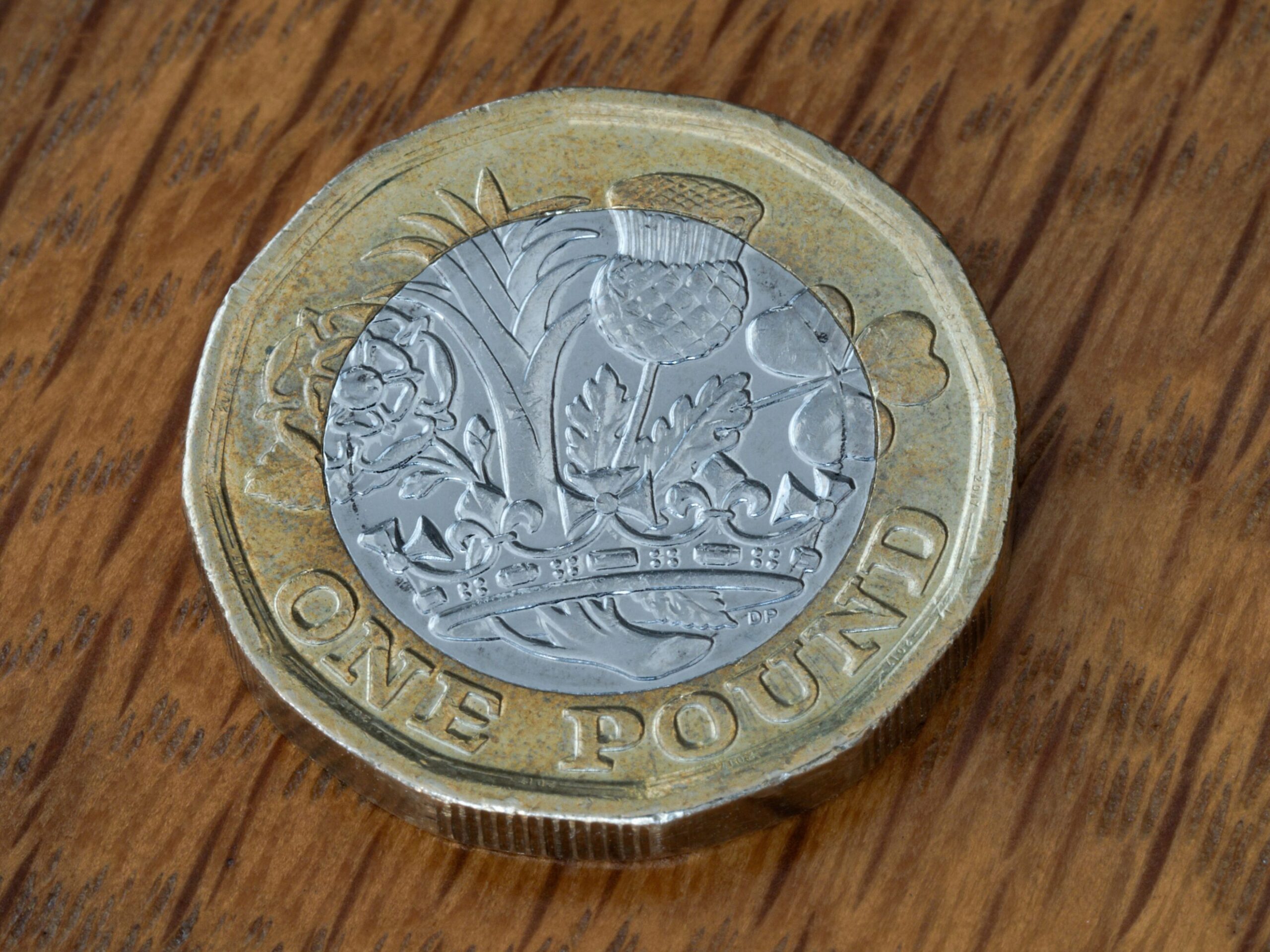
In the United Kingdom, the official currency is the Great British Pound (GBP). Unlike many other parts of Europe, the UK has never switched to the Euro. So unless you’re traveling into neighboring countries after your tour, you won’t need Euros at all.
The pound is divided into 100 pence, just as a U.S. dollar is divided into 100 cents, but the values are not equivalent. There are no £1 notes in current circulation: Bank of England notes commonly come in £5, £10, £20, and £50 denominations, while £1 and £2 are coins. Smaller amounts are written in pence, usually with a “p,” so 50p means fifty pence—half of one pound.
Do You Even Need Cash?
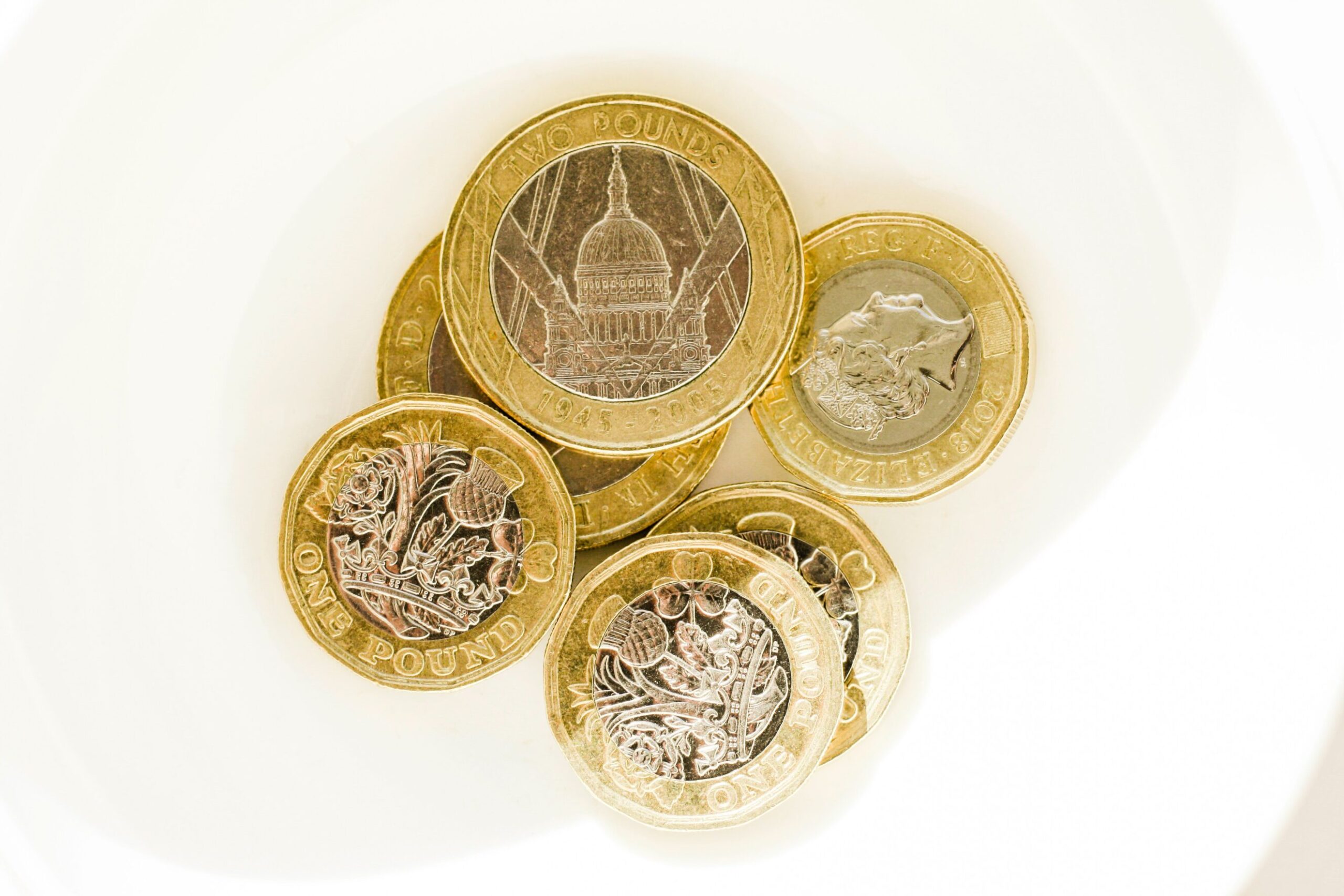
Here’s the surprising part: you may not need pounds at all. On many of our trips we’ve used cards the entire time without ever touching cash. Since credit and debit cards often give the best exchange rate, this can also be the cheapest way to spend. Still, it’s not a bad idea to keep a little cash in your pocket for small shops, tips, or emergencies. It’s also fun just to have and bring home a few small bills or coins as keepsakes of your experience in the UK.
Exchanging Money
If you do want to carry some British pounds, here are a few tips to make the most of your exchange:
- Skip the airport counters. Airport exchange desks usually have the worst rates—think of it like renting a car at the airport.
- Compare the total cost before exchanging. The pound being worth more than the dollar does not by itself make exchanging at home cheaper. What matters is the exchange rate you are offered plus any commission or service fee. Your bank may offer a reasonable way to order a small amount of cash before departure, but compare the total cost rather than relying on the headline rate.
- Check with your bank. Many banks can order foreign currency at better rates than exchange shops. It may take a few days, so plan ahead.
- Use bank ATMs carefully. A UK bank ATM can be a convenient way to get a small amount of cash, but the total cost depends on your own bank’s withdrawal fee, any local ATM fee, and the exchange rate applied by your card network or issuer. If the ATM offers to convert the withdrawal into U.S. dollars, decline that conversion and choose pounds instead; letting your own card network handle the conversion is usually the better option.
Credit Cards: Your Best Friend Abroad
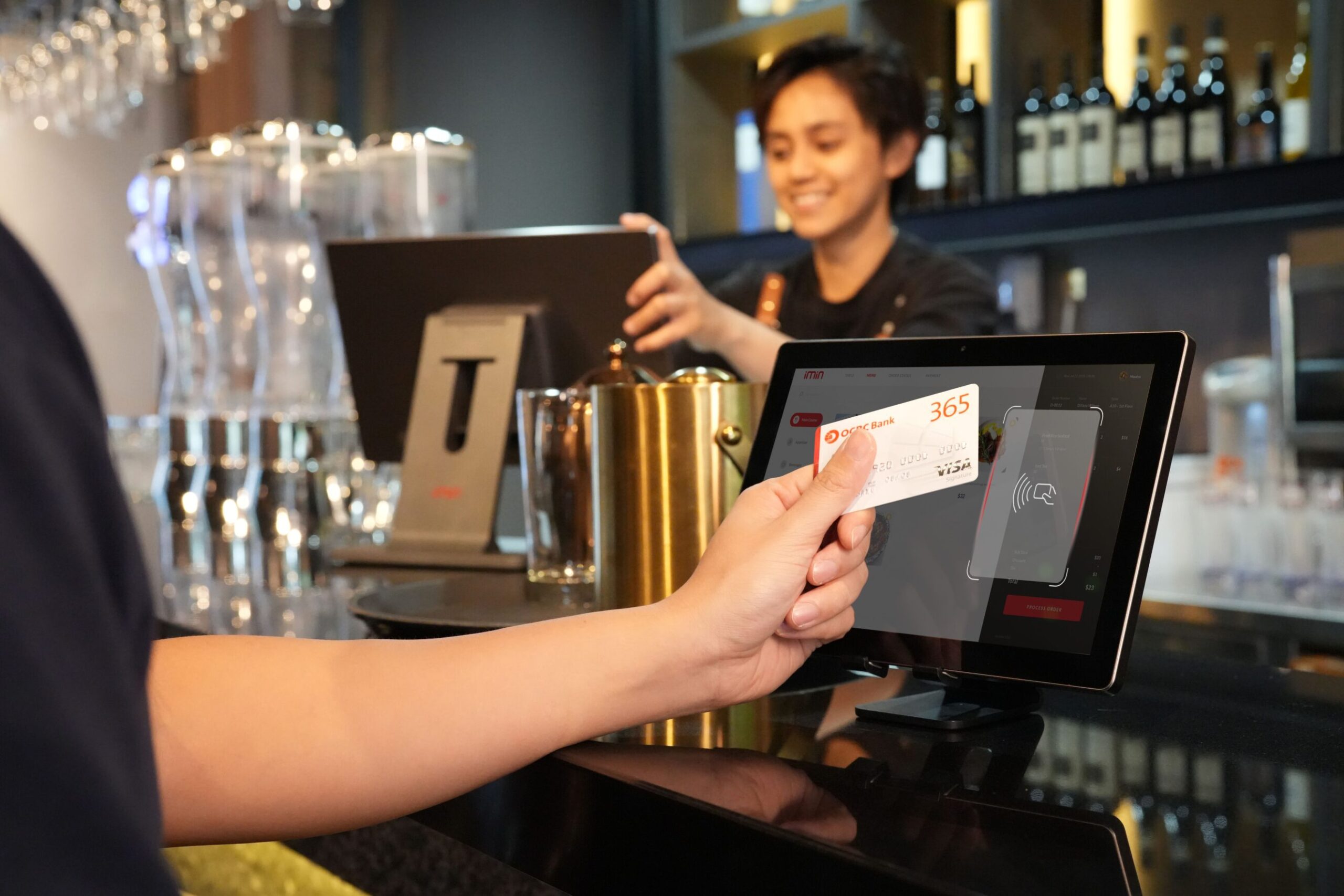
For many travelers, cards are the simplest way to pay, especially when the card has no foreign transaction fee. The exact cost still depends on your card issuer and the exchange rate used for the transaction.
- Chip and contactless payments are standard. Most U.S. chip cards and mobile wallets work normally in the UK, but unattended terminals and some transactions may require a PIN. Do not assume every merchant can fall back to a signature; check your card’s PIN and travel settings before departure.
- No foreign transaction fees. This is the golden ticket. Many travel or premium cards skip these fees, which means you get the market exchange rate without paying extra. Each purchase works like a free currency exchange, and you never end up with leftover cash you can’t use.
The Bottom Line
Here’s the quick summary:
- Use a credit card with no foreign transaction fees whenever possible.
- ATMs are your best option for a little cash when needed.
- Avoid airport exchange counters—they’re the most expensive.
- Don’t stress too much—you may not need pounds at all!
For more practical planning help, see our London Christian Tour FAQ, review tour cost and what’s included, browse the 7-day London Christian Tour itinerary, and read our guide to eating in London.
With just a little planning, you’ll be able to spend smart, avoid hidden costs, and focus on the far more exciting things—like walking through the British Museum, exploring historic cathedrals, and seeing the Bible come to life in London.