


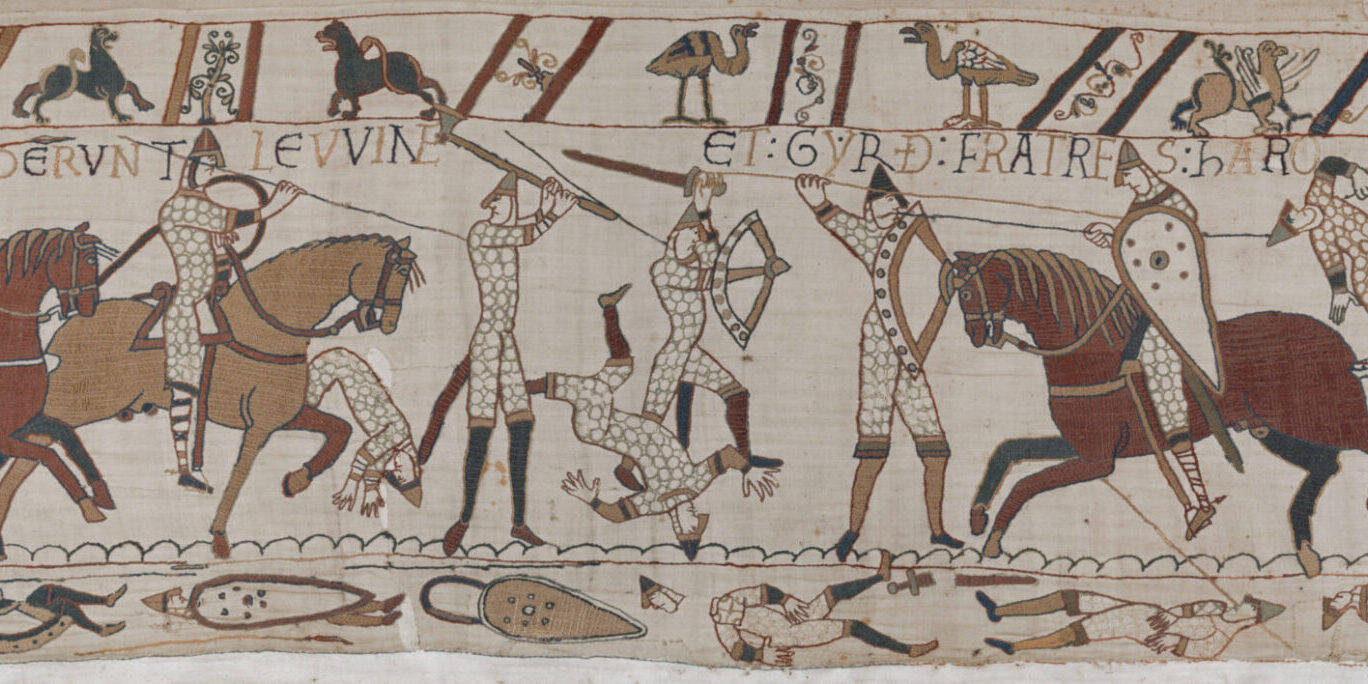
Bayeux Tapestry Comes to the British Museum in Historic London Exhibition
One of the most famous surviving works from medieval Europe is now on display in London. The Bayeux Tapestry opened to the public at the British Museum on September 10, 2026, beginning an extraordinary loan that will keep the nearly 1,000-year-old embroidery in London through July 2027.
The exhibition marks the first time the Bayeux Tapestry has been shown in the United Kingdom since it was made in the 11th century. For an object so closely tied to the Norman Conquest of England and the events of 1066, its return to England is a remarkable moment in its long history.
Nearly 1,000 Years Later, Back in England
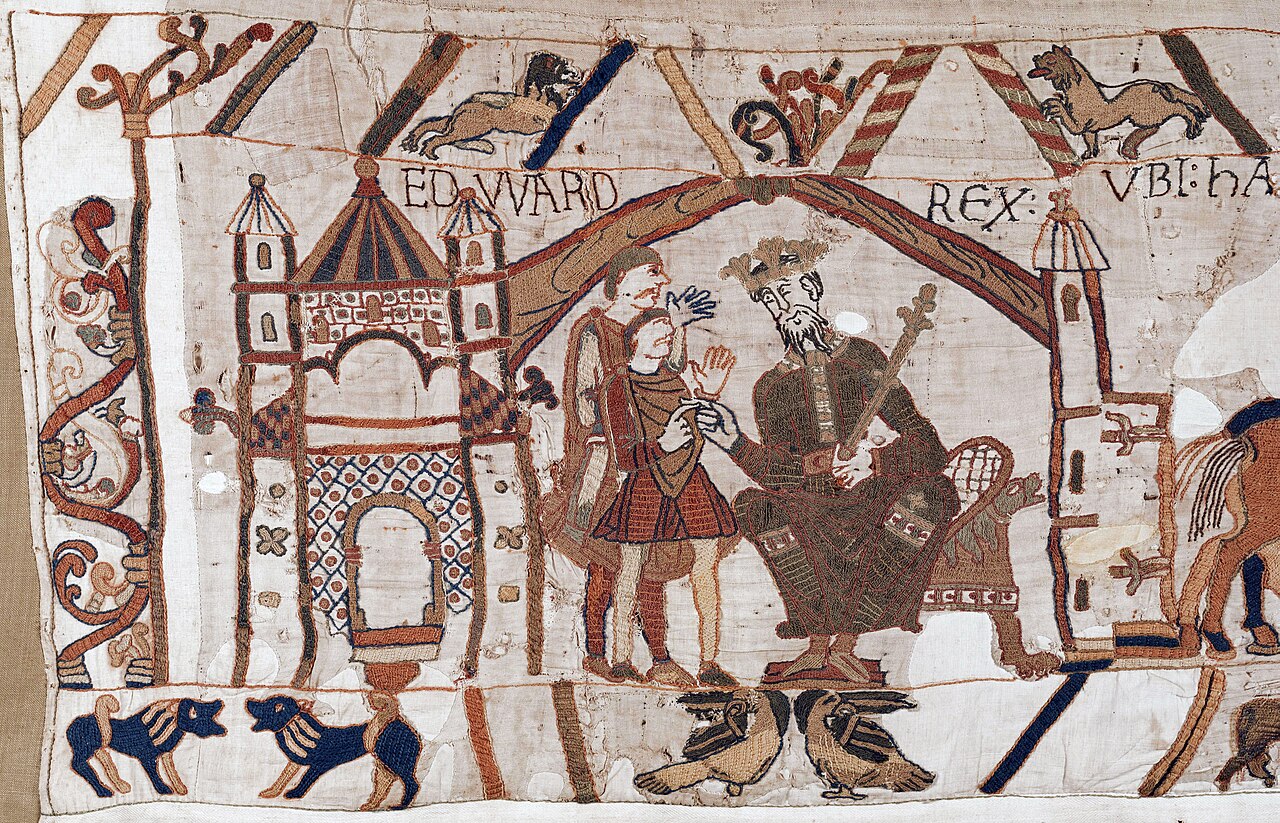
Despite its familiar name, the Bayeux Tapestry is technically an embroidery rather than a woven tapestry. Wool thread was stitched onto linen to create a continuous visual narrative almost 70 metres long. Across its surviving scenes are kings, nobles, soldiers, ships, horses, buildings, feasts, weapons and the famous Battle of Hastings.
The British Museum describes the work as likely commissioned by a Norman patron and made by English embroiderers, drawing in part on manuscript traditions associated with Canterbury. Its story follows the events leading to William, Duke of Normandy’s invasion of England, the death of King Harold II and the Norman victory at Hastings in 1066.
The scale of the object is part of what makes it so unusual. The British Museum identifies 58 scenes containing hundreds of figures and more than 200 horses. It is not simply an illustration of a battle. It preserves an extraordinary amount of visual information about 11th-century clothing, armour, ships, buildings, food, furniture and daily life.
Why the British Museum Exhibition Matters
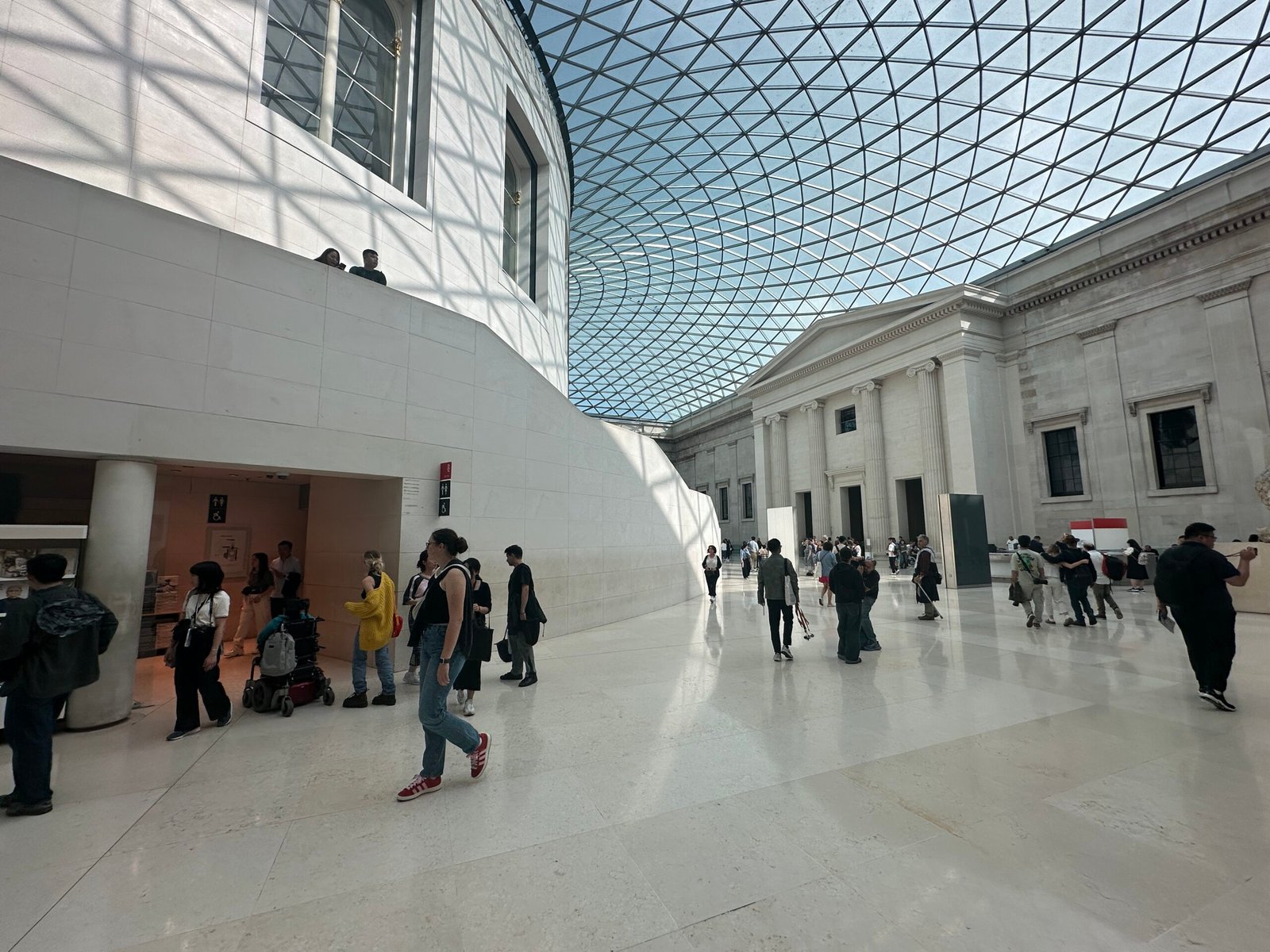
The tapestry is being displayed in the British Museum’s Sainsbury Exhibitions Gallery, Room 30. The museum has called the loan one of the most significant exhibitions in its history, and public interest has been intense. The first ticket allocations sold rapidly, with additional releases planned during the exhibition run.
Seeing the original is very different from seeing one of the countless reproductions that have appeared in books and classrooms. The embroidery was designed as a long visual sequence, and its storytelling unfolds as the viewer moves from one scene to the next. Individual stitches, repairs, colours and small details that are easy to miss in photographs become part of the experience.
The exhibition also brings the tapestry into close proximity with the British Museum’s own collections from Anglo-Saxon and Norman England. That makes London an especially fitting setting for an object that sits at the hinge point between the Anglo-Saxon world and the Norman kingdom that followed.
An Exchange Between Britain and France
The loan forms part of a wider cultural exchange between Britain and France. While the Bayeux Tapestry is in London, major British Museum objects including treasures from Sutton Hoo and selections of the Lewis chessmen are being loaned to museums in Normandy.
The timing also allows the Bayeux Museum in France to continue major renovation work before the tapestry returns. The exchange creates a rare opportunity on both sides of the Channel: British audiences can encounter the Bayeux Tapestry in England, while French audiences can see some of the most important objects connected with early medieval Britain.
What Visitors Should Know
The Bayeux Tapestry exhibition runs from September 2026 through July 2027. Because demand has been exceptionally high, visitors should check the British Museum’s official exhibition page for the latest ticket availability and release dates before planning a visit.
For anyone interested in English history, church history, medieval Europe or the story of London and Britain, this is one of those temporary exhibitions that is genuinely difficult to overstate. The Bayeux Tapestry is normally inseparable from its home in Normandy. For a limited time, one of the defining visual records of 1066 is here in London, only a few rooms away from some of the archaeological objects that help tell the story of the world it changed.
For more from the museum, see our guide to biblical archaeology and ancient finds in the British Museum, or explore our London Christian Tour itinerary.
Sources and further information
British Museum — The Bayeux Tapestry exhibition
British Museum — Historic loan agreement announcement
UK Government — Bayeux Tapestry loan announcement
Featured image: Bayeux Tapestry, scene 52. Public domain reproduction via Wikimedia Commons. Digital representation based on the 2017 Bayeux Museum photography campaign by Université de Caen Normandie, CNRS and ENSICAEN after photography by La Fabrique de patrimoines en Normandie. Public Domain Mark 1.0.
