


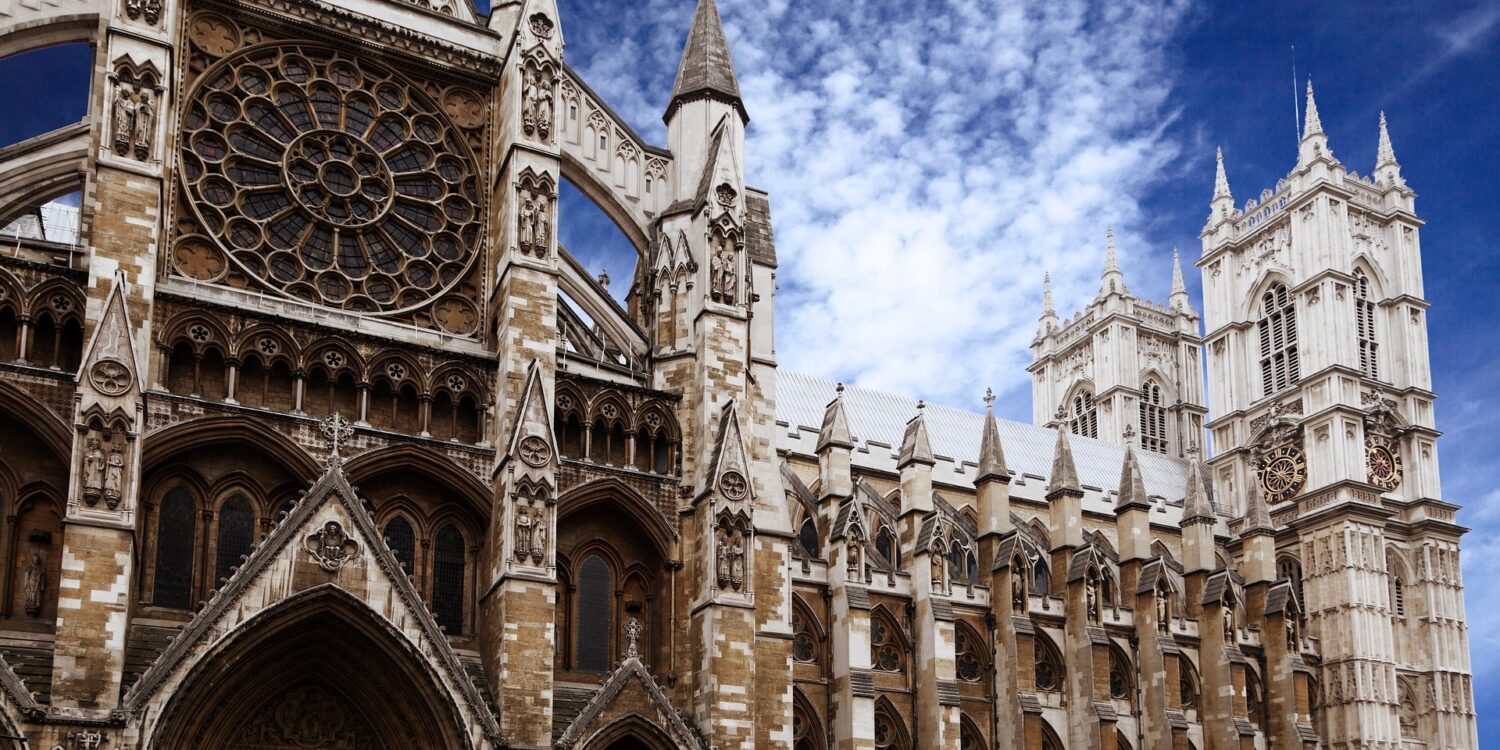
Westminster Abbey Announces New Tapestry of William the Conqueror’s Coronation
A new tapestry at Westminster Abbey will revisit the Christmas Day coronation of William the Conqueror and the unresolved ending of the Bayeux Tapestry.
SUBJECT: New tapestry depicting William the Conqueror’s coronation
LOCATION: Westminster Abbey, London
Westminster Abbey has announced a remarkable addition to London’s 2027 cultural calendar: a newly woven tapestry imagining the coronation of William the Conqueror, the event that may once have formed the lost conclusion of the Bayeux Tapestry. Called Crowning the Conqueror, the new work will be displayed in the Abbey’s medieval Chapter House from 1 May to 30 July 2027.
The announcement creates an unusual historical pairing. The original Bayeux Tapestry is currently on loan to the British Museum, where it recounts the events leading to the Norman Conquest of 1066. Its surviving narrative ends with the death of King Harold at Hastings, without showing William’s subsequent coronation. Whether the embroidery originally included a final coronation scene remains uncertain. This new tapestry is a modern artistic response to that unanswered question, not a reconstruction whose appearance can be established from surviving evidence.
A Coronation at Westminster

William, Duke of Normandy, defeated Harold Godwinson at the Battle of Hastings in October 1066 and was crowned king on Christmas Day that year. Westminster Abbey was already closely associated with the English monarchy, not least through Edward the Confessor, whose great church had been consecrated shortly before his death. William’s coronation helped establish a tradition that has continued at Westminster for English and later British monarchs.
The Abbey is more than a backdrop to this story. Its role as a Christian church places the 1066 succession in a setting where royal authority, religious ritual and public allegiance came together. Medieval coronations were not simply political ceremonies. They involved sacred promises, anointing and worship, making the church itself central to the meaning of kingship.
A Contemporary Answer to a Medieval Mystery
The new tapestry was designed by French artist Hélène Delprat and is being woven in Aubusson, France, at Atelier Guillot. According to Westminster Abbey, it measures approximately 25 square metres and draws on visual motifs from the Bayeux Tapestry while developing a distinctly contemporary composition. The work forms part of MILLENIUM 2027, marking a thousand years since William’s birth.
The famous Bayeux work is often called a tapestry, but it is technically an embroidery stitched in wool on linen. Delprat’s new work, by contrast, is a woven tapestry. That distinction makes the relationship between the two objects even more interesting: a modern artist and craftspeople are answering an eleventh-century visual narrative through another historic textile tradition.
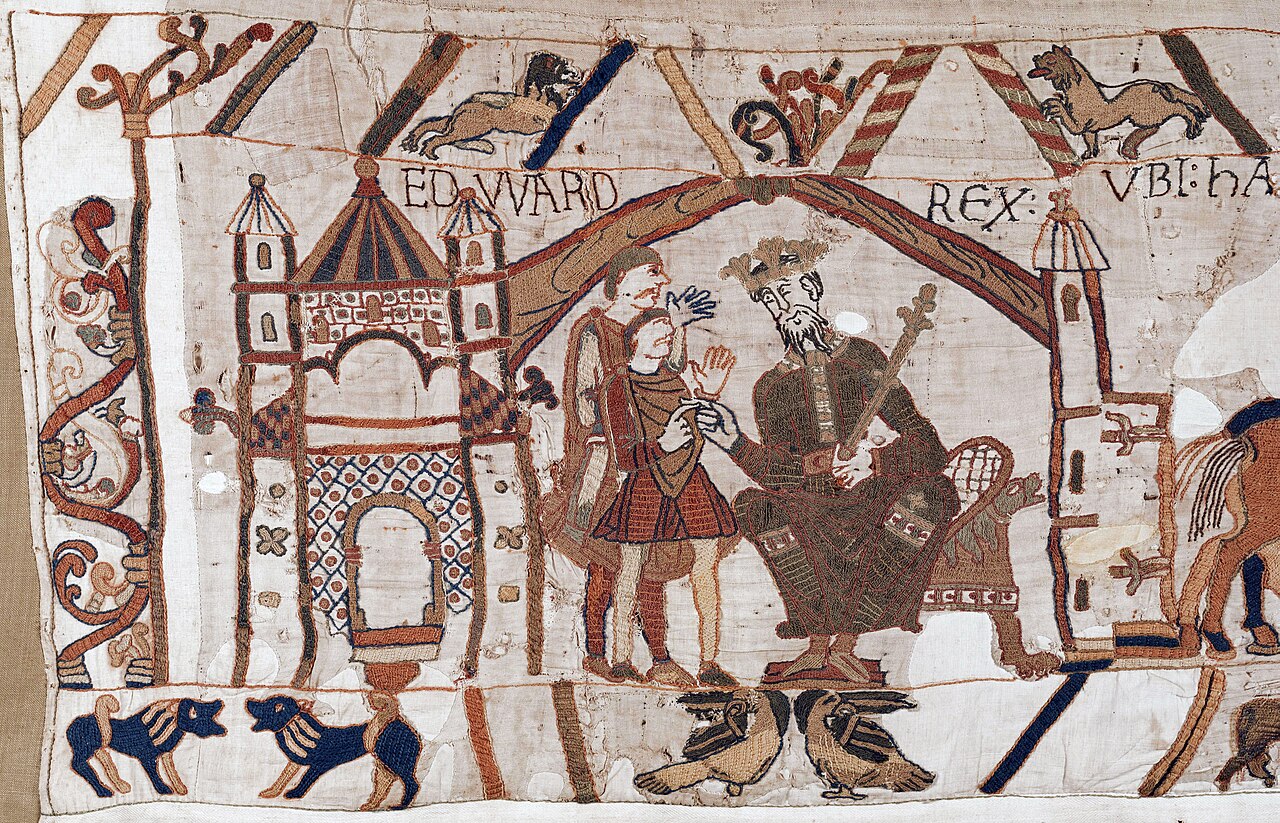
After the Westminster Abbey exhibition, Crowning the Conqueror is expected to travel through Normandy and eventually be displayed at Falaise Castle, associated with William’s birthplace. The project therefore connects French and English history in both its subject and its exhibition journey.
Why This Matters for London Visitors
For those visiting Westminster Abbey, the exhibition offers an opportunity to connect the building’s living role as a place of Christian worship with a turning point in the history of England. The Chapter House itself is an evocative medieval setting, and the display will add a temporary layer of interpretation to an already significant site.
London visitors in 2027 may also have an extraordinary opportunity to see both the original Bayeux Tapestry at the British Museum and this new coronation artwork at the Abbey while their exhibition dates overlap. The British Museum loan is scheduled to continue into July 2027, but visitors should check each venue’s availability and booking conditions before making plans.
Admission to Crowning the Conqueror will be included with Abbey admission, according to the Abbey’s announcement. For additional background, read our articles on the Bayeux Tapestry’s historic British Museum exhibition and Westminster Abbey’s Christian heritage.
Sources and further information
Westminster Abbey — Exhibition: Crowning the Conqueror
British Museum — The Bayeux Tapestry
