The Christian Heritage and Legacy of London
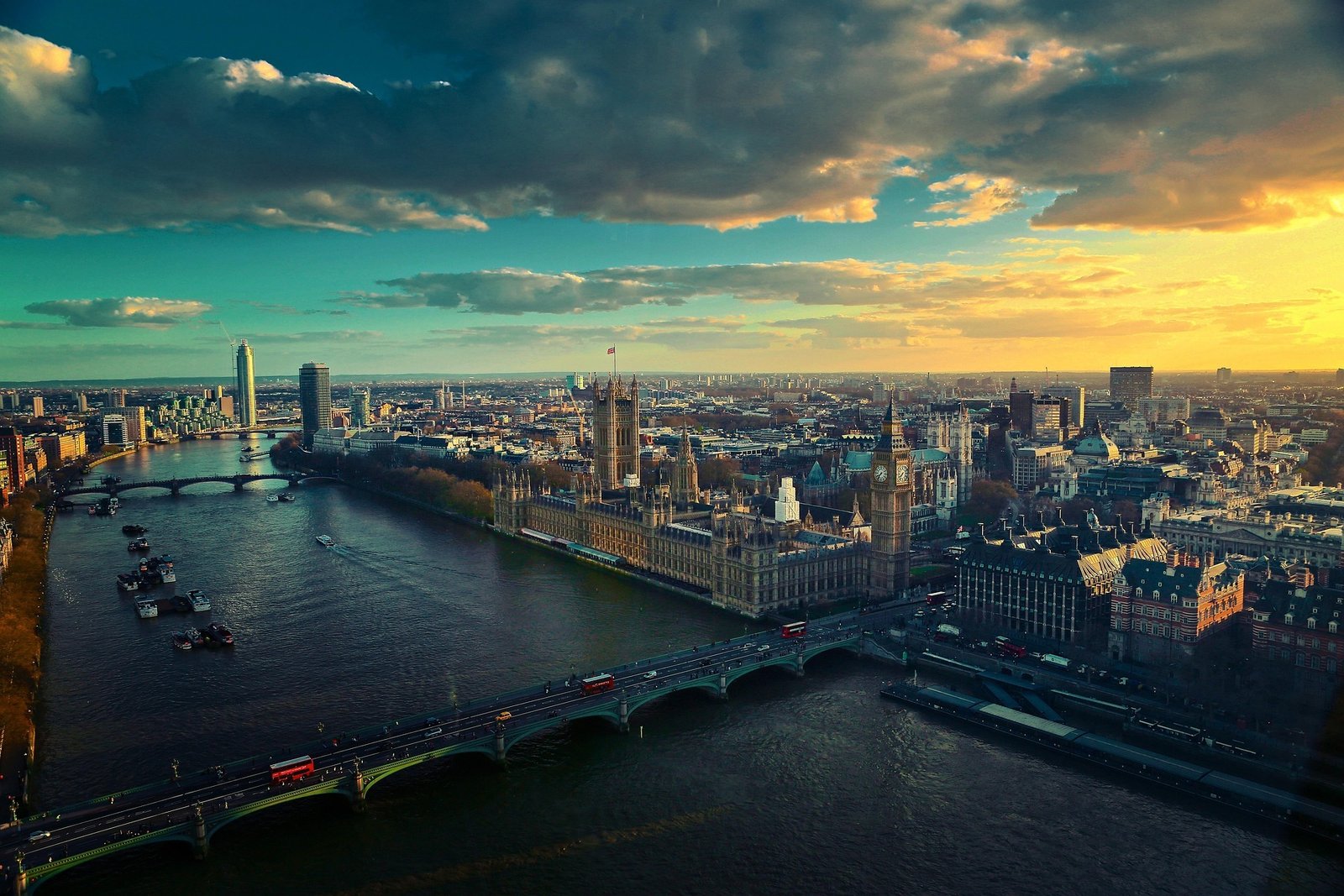
Walk the cobbled lanes of London, and you’re not just stepping through a global city—you’re tracing the steps of centuries of Christian witness. Beneath the hum of buses and the glow of modern storefronts lies a legacy carved in stone and story, prayer and perseverance.
St. Paul’s Cathedral: Christian Worship Since AD 604
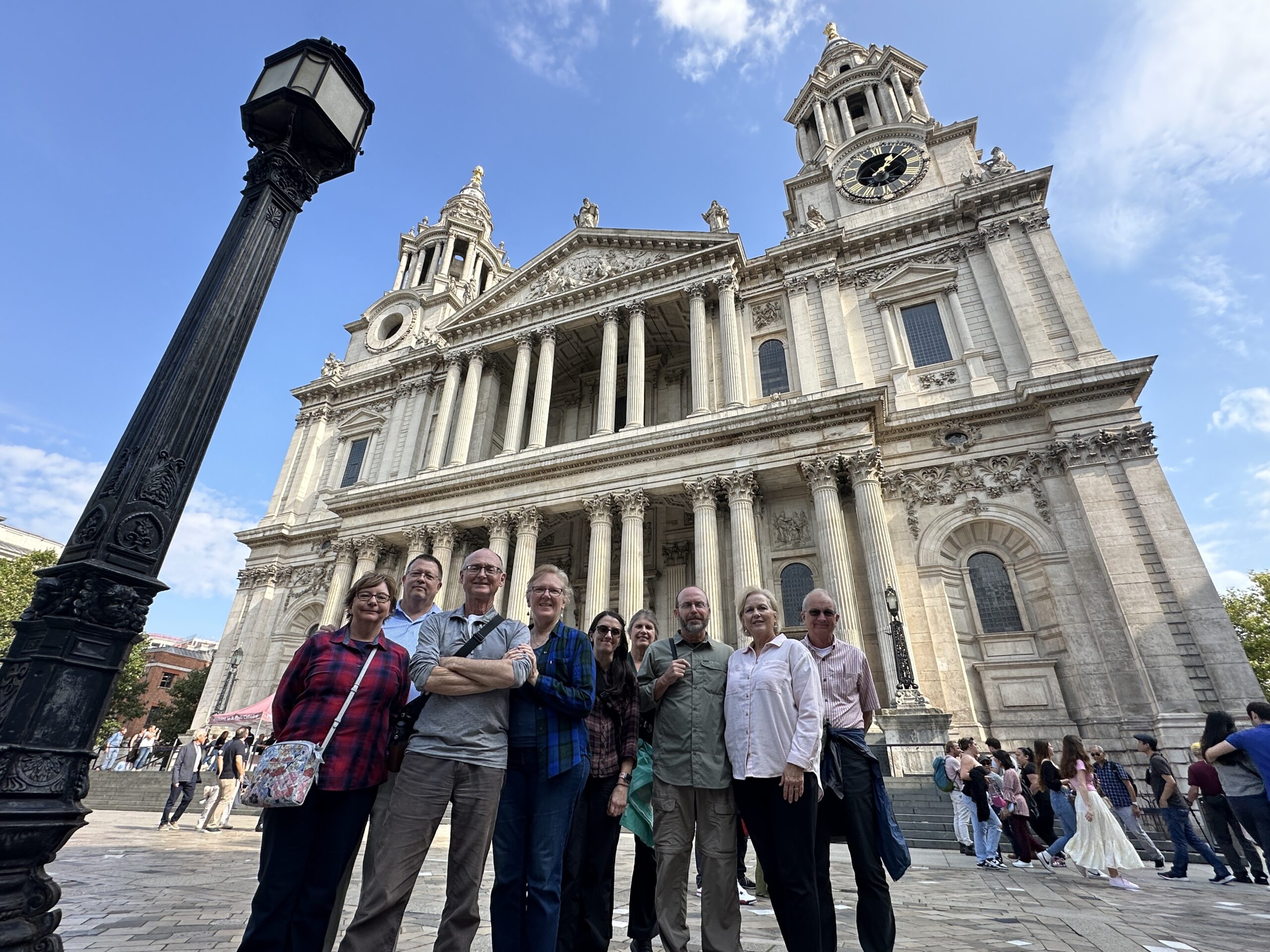
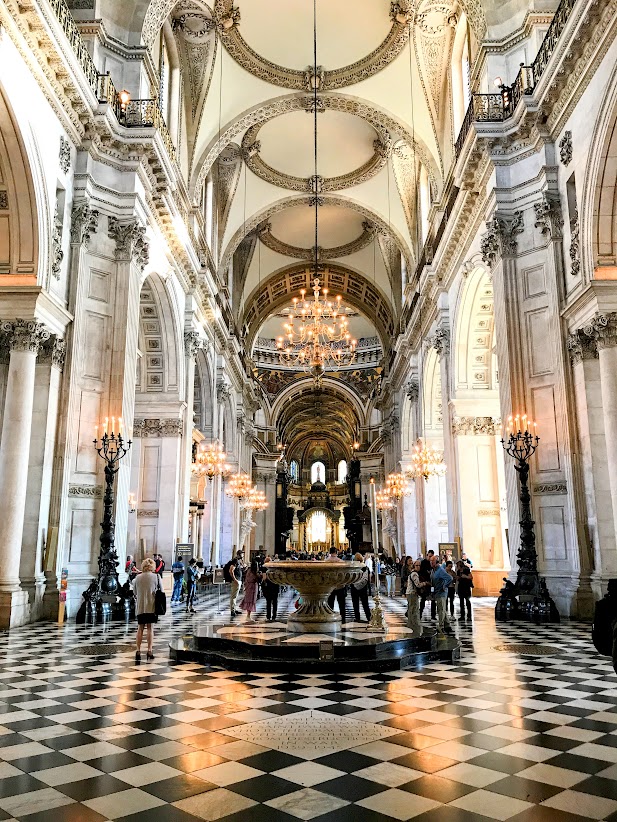 St. Paul’s Cathedral carries a Christian story reaching back to AD 604, when Mellitus was consecrated Bishop of London. The Cathedral’s own historical timeline traces successive churches on this site through the medieval period, the destruction of Old St. Paul’s in the Great Fire of 1666, and the rebuilding led by Sir Christopher Wren. The present cathedral was completed in 1711. Its dome may dominate the skyline, but its deeper significance is the continuity beneath it: generations gathering for Scripture, prayer, preaching, music, remembrance, and Christian worship through some of the most dramatic periods in English history.
John Wesley and the Aldersgate Revival
Not far away, Aldersgate Street preserves one of the defining moments of evangelical history. On 24 May 1738, John Wesley attended a Christian meeting there and recorded that his heart was “strangely warmed.” The Methodist Church identifies the Aldersgate site as the place of Wesley’s evangelical conversion experience, commemorated today by the Aldersgate Flame. That experience became a landmark in the Methodist-led evangelical revival that spread across Britain and far beyond it. Wesley’s message of grace and renewal wasn’t just theological—it was transformational. It reached the streets, the prisons, the mines, and the margins. And it started in London.
Westminster Abbey, Wilberforce, and Faith in Public Life
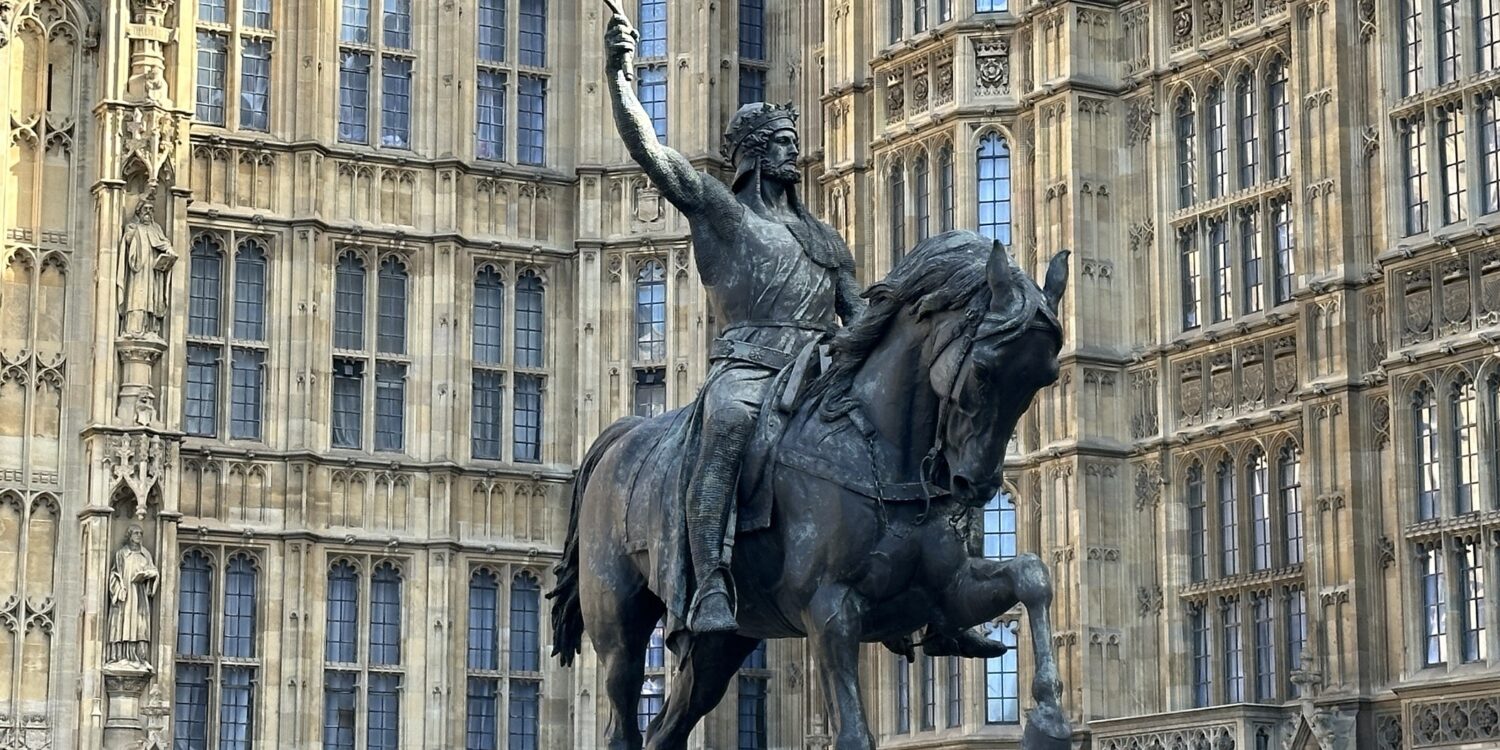
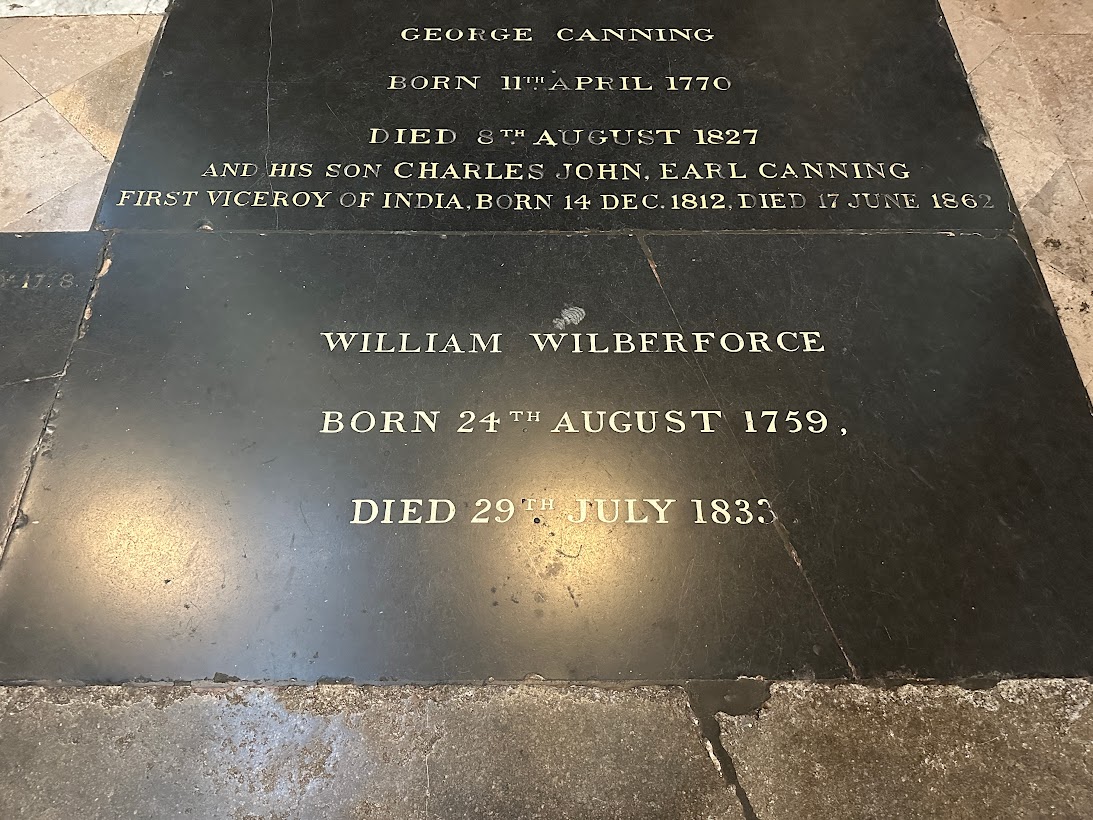 Then there’s Westminster Abbey—a living monument not only of royalty, but of faith. William Wilberforce is buried in the Abbey’s north transept, while his statue stands in the north choir aisle. Westminster Abbey’s own history of Statesmen’s Aisle preserves that connection between Christian conviction, public life, and the long campaign against the slave trade. Coronations and funerals have happened here, yes—but so have morning prayers, echoing through centuries. The great scholars, missionaries, reformers, and preachers who rest within its walls remind us that Christian legacy is not only preached from pulpits but lived in lives of conviction and service.
Smithfield and the Cost of Reformation
London’s Reformation story is written into the streets as well as the churches. At West Smithfield, a listed Martyrs Memorial recorded by Historic England commemorates the 16th-century Protestant martyrs John Rogers, John Bradford, and John Philpot. The memorial anchors the story of religious conflict and conviction to a specific place visitors can still stand today.
London’s Christian story isn’t just in her cathedrals or abbeys, though. It’s whispered in the simple faith of the believers who huddled in house churches during persecution. It’s echoed in the reformers who challenged corrupt power with biblical truth. It’s seen in the abolitionists—like William Wilberforce—who were stirred by Christ’s compassion to battle injustice and change the world.
Christianity was established in Roman Britain by the fourth century, although exactly when and how the faith first reached Britain remains uncertain. What is clear is that the Christian story here stretches back many centuries before the medieval churches and cathedrals that now dominate London’s skyline. Even today, in a city increasingly marked by secularism and extraordinary cultural diversity, Christian congregations continue to worship, serve their communities, and carry that long story forward.
London reminds us that Christian heritage is not about monuments of stone, but movements of the Spirit. The true legacy is not just what was built, but what was believed, lived, and passed on. Many of these places form part of our London Christian Tour itinerary, where the history is explored in the setting where it happened. You can also review the tour cost and inclusions or browse our frequently asked questions when planning a trip.