


Roman London Returns: New Londinium Exhibition to Reveal Life in the Ancient City
A new London Museum exhibition will bring the earliest decades of Roman Londinium to life through writing tablets, everyday objects, and remarkable archaeological discoveries.
SUBJECT: New Roman London exhibition announced for 2027
LOCATION: London Museum, Smithfield, London
Archaeology is set to bring the earliest inhabitants of Roman London into focus in a new free exhibition at London Museum. Announced on 5 October 2026, Londinium: the making of a Roman city will open in spring 2027 inside a rediscovered network of underground vaults at the museum’s new Smithfield home.
The exhibition will draw on the Bloomberg Collection, a major group of Roman finds unearthed in the City of London between 2012 and 2014. With original objects, projected imagery and sound, its organizers intend to introduce visitors to the ordinary people who built lives in the first decades of Roman London.
What Excavations Reveal About the First Londoners
Planning a Visit
Among the finds are Roman wax writing tablets, some preserving the oldest surviving written voices from London. These are particularly valuable because they bring us closer to everyday transactions and concerns rather than only the emperors and governors recorded in literary histories. The museum also highlights an infant feeding bottle, a coin from Nero’s reign and traces of insects discovered in a Roman bakery oven.
The Bloomberg Collection includes more than 14,000 significant artifacts and was gifted to London Museum in 2025. The extraordinary preservation of some objects was made possible by the waterlogged conditions of the archaeological deposits. Material that would normally decay can sometimes survive in such environments, allowing archaeologists to reconstruct far more of daily life.
A City Within the Roman World
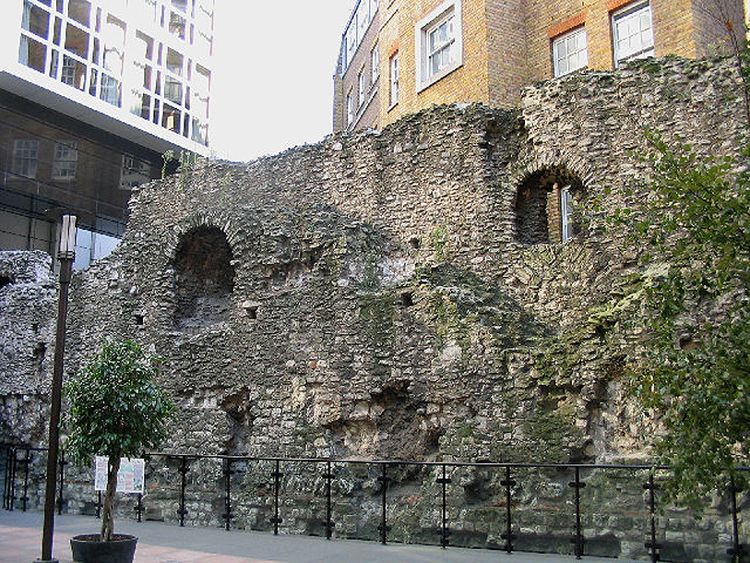
The new exhibition focuses on Londinium’s first half-century, a period during which Roman Britain was undergoing profound political and cultural change. London developed into a center of trade and administration, linking Britain to other provinces across the empire. Its surviving objects help show how far-reaching those connections were, even at the northwestern edge of Roman rule.
For readers interested in biblical history, the timeframe is especially compelling. The Roman Empire was also the political setting of the New Testament world. London was not one of the cities visited by the Apostle Paul in the biblical record, and these finds should not be presented as evidence for a Christian community in early Londinium. They do, however, illuminate the wider imperial society in which the early Church emerged and spread.
The Museum’s Rediscovered Vaults
The setting is itself part of the story. Workers rediscovered the roughly 800-square-metre underground network in 2019 during redevelopment at Smithfield. Once associated with market storage and rail infrastructure, the vaults are being adapted for public exhibitions. The museum’s new Smithfield site is scheduled to open on 28 November 2026, with Londinium following in spring 2027.
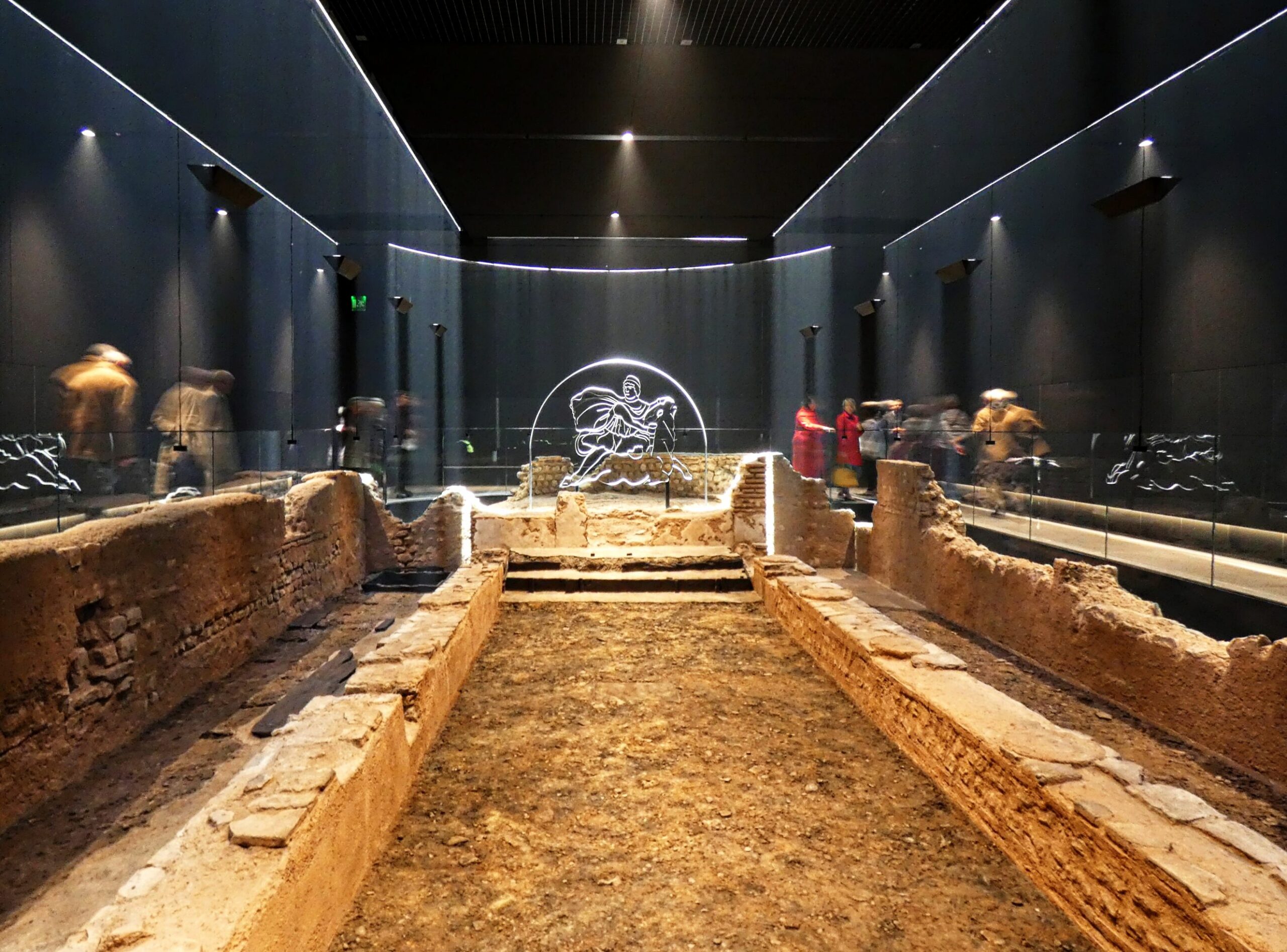
Some Bloomberg finds have already been interpreted at the nearby London Mithraeum, which presents the remains of a Roman temple of Mithras. The new exhibition promises to broaden that story from a single ancient cult site to the social and commercial life of the surrounding Roman city.
London Museum says Londinium: the making of a Roman city will be free to visit. A precise opening day and visitor booking arrangements have not yet been announced in the original release, so readers should consult the museum before planning travel around the exhibition.
Although the museum is not necessarily part of every London Christian Tours itinerary, the exhibition should be of interest to travelers who enjoy archaeology and the historical background to Christianity. Our British Museum archaeology guide offers another starting point for exploring artifacts from the wider biblical world in London.
Sources and further information
London Museum — New Londinium exhibition announcement, 5 October 2026
London Museum — Visitor and opening information
